



 42 148

accept age subgroups as presented in articles but to attempt
to examine the effectiveness of treatment among elderly (ie,
70 yr) compared with nonelderly patients with MIBC. The
outcomes of patients aged
<
70 yr were used as a standard
against which outcomes in the elderly subgroups were
measured unless otherwise specified.
2.6.
Statistical analysis
Methodological quality of the retrieved articles was
assessed using an 18-item validated quality appraisal tool
for case series
[4]. A quality appraisal judgment for different
items was performed using a binary scoring system. A study
with a total score of 14 was considered of acceptable
quality
[4].
Data were not combined for meta-analysis due to the
heterogeneity of the included studies regarding population
and setting. Instead each effectiveness outcome was
examined within each study to determine whether the
results showed statistically differences between elderly
versus non-elderly MIBC patients. The relative effectiveness
for a parameter under study between elderly and none-
lderly was reported for each study individually.
3.
Evidence synthesis
The systematic search strategy resulted in 6019 articles.
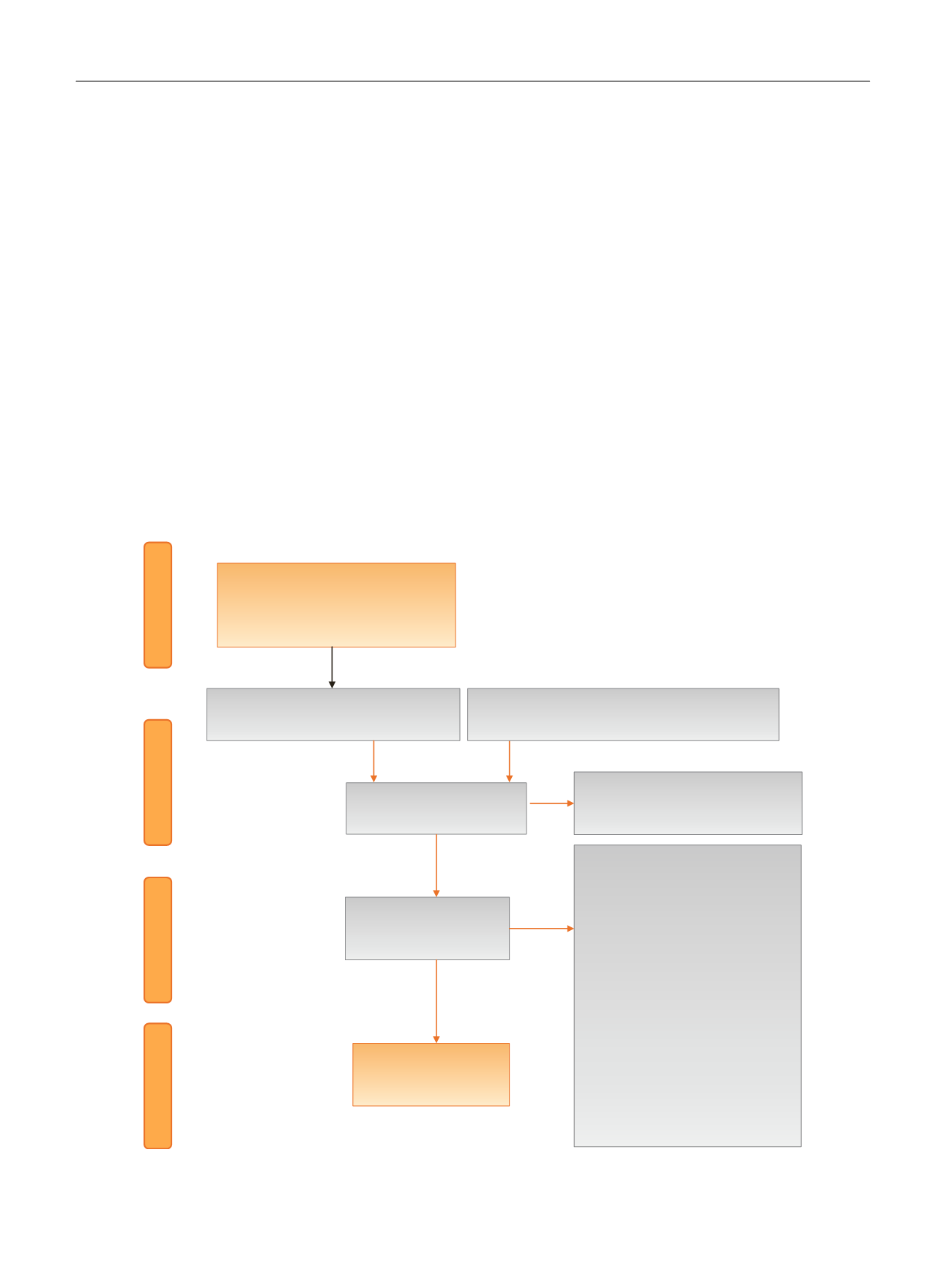
Fig. 1shows the article selection process. Data were
retrieved from 42 articles
[5–46]. None of the retrieved
articles addressed the first research question regarding the
use of a GA and its impact on outcome, while 21 articles
reported on OS, 18 on CSS, and 23 on POM or complication
rates. Evaluation of the impact of age on outcome was the
primary aim in 24 articles. The quality assessment of
the retrieved articles is presented in Supplementary
Table 1. Only eight articles had a score of 14. For articles
that were selected for evaluation of OS or CSS, additional
information on tumour characteristics, as well as assess-
ment of performance status and renal function, if provided,
can be found in Supplementary Table 2.
3.1.
OS
OS point estimates for different age groups are presented in
Table 1 .The majority of the studies (9/14) indicate that the
OS of patients with MIBC treated with RC decreases with
advanced age
[5–18].
[(Fig._1)TD$FIG]
Records identified through database
searching: Medline:
n
=3246, Embase:
n
= 2769, Cochrane:
n
= 4)
(
n
= 6019)
Screening
Included
Eligibility
Identification
Additional records identified through other sources
(
n
= 48)
Records after duplicates removed
(
n
= 5006)
Records screened by abstract
(
n
= 5054 )
Records excluded for not meeting
the predefined inclusion criteria
(
n
= 4825)
Full-text articles assessed
for eligibility
(
n
= 229)
Full-text articles excluded:
N
= 187
- no age stratification:
n
= 36
- not addressing the research
questions (other then
predefined outcome
parameter):
n
= 72
- patient number <50 per
stratification group young
versus old patient:
n
= 20
- no full text:
n
= 34
- review article:
n
=13
- insufficient data:
n
= 6
- update of included article:
n
= 2
- non-MIBC:
n
= 2
- non-English/French:
n
= 2
Studies included in
systematic review
(
n
= 42)
Fig. 1 – Flow diagram of the article selection process for the systematic review.
MIBC = muscle invasive bladder cancer.
E U R O P E A N U R O L O G Y 7 3 ( 2 0 1 8 ) 4 0 – 5 0
42